
Exploring the Education System in Vanuatu: Challenges and Opportunities
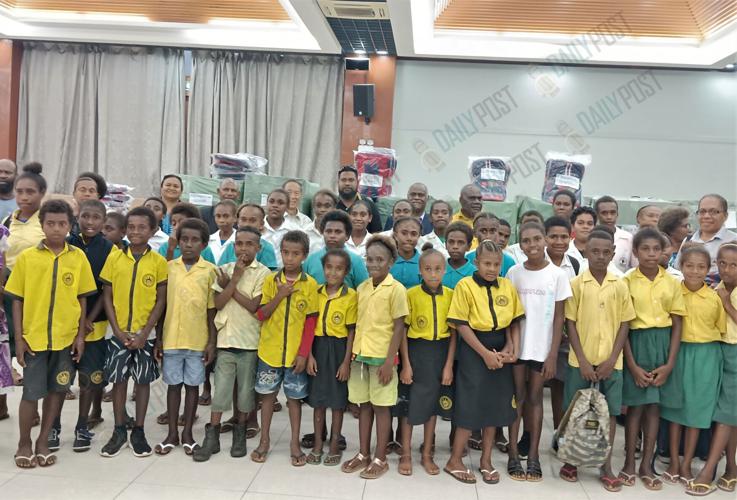
The education system in Vanuatu, like many parts of the Pacific, faces unique challenges that affect its ability to provide quality education to all children. This article will explore the structure of schools in Vanuatu, the challenges faced by educators, the initiatives being implemented to improve access and quality, and the role of organizations like vanuatu schools pacific education projects in making a difference in the region.
Overview of the Education System in Vanuatu
The education system in Vanuatu comprises three levels: primary, secondary, and tertiary education. The Ministry of Education and Training is responsible for overseeing educational policies and frameworks across the islands. Education is free and compulsory for children from ages 6 to 14; however, there are significant hurdles that prevent achieving universal access to education.
Primary Education
Primary education in Vanuatu lasts for seven years, typically from grades 1 to 7. While primary schools are present across many islands, rural areas often experience shortages of qualified teachers and resources. Many schools operate in makeshift facilities, and some children must walk long distances to attend classes, which can deter attendance.
Challenges in Secondary Education
Secondary education in Vanuatu is not as accessible as primary education, with fewer secondary schools available, particularly in remote regions. Students often face challenges transitioning from primary to secondary education due to limited space, high competition for enrollment, and financial constraints. As a result, many students drop out before completing their education.
Barriers to Education
Several barriers affect the educational landscape in Vanuatu. These include:
- Geographical Isolation: Many islands are remote and lack adequate transportation. This affects both students and teachers, limiting their ability to access educational resources and attend school.
- Socio-Economic Factors: Families with limited financial means often struggle to cover costs associated with schooling, such as uniforms, supplies, and transportation.
- Cultural Attitudes: In some communities, education may not be prioritized, particularly for girls, who may be expected to assist with household chores or marry early.
Current Initiatives and Reforms
Recognizing these challenges, the government and various NGOs have launched initiatives to improve the quality of education in Vanuatu. Programs aim to enhance teacher training, increase school enrollment, and incorporate more culturally relevant curriculum materials.
Teacher Training Programs
Quality education demands well-trained teachers. Various partnerships with international organizations are helping to provide professional development for Vanuatu’s educators. Training focuses on both pedagogical skills and cultural awareness to ensure that teaching methods resonate with local values.
Community Involvement
Community engagement is critical in promoting education, especially in rural areas. Programs that involve families in school governance have been introduced, encouraging local support for educational initiatives. This can improve attendance rates and ensure that schools are meeting the needs of their students.
The Role of Technology in Education
In recent years, there has been a push to integrate technology into the classroom. Although access to the internet is limited in many areas, initiati
ves are seeking to provide schools with digital tools that can enhance learning experiences. This includes the use of mobile learning applications and training for teachers on how to effectively use technology in their teaching.
Success Stories
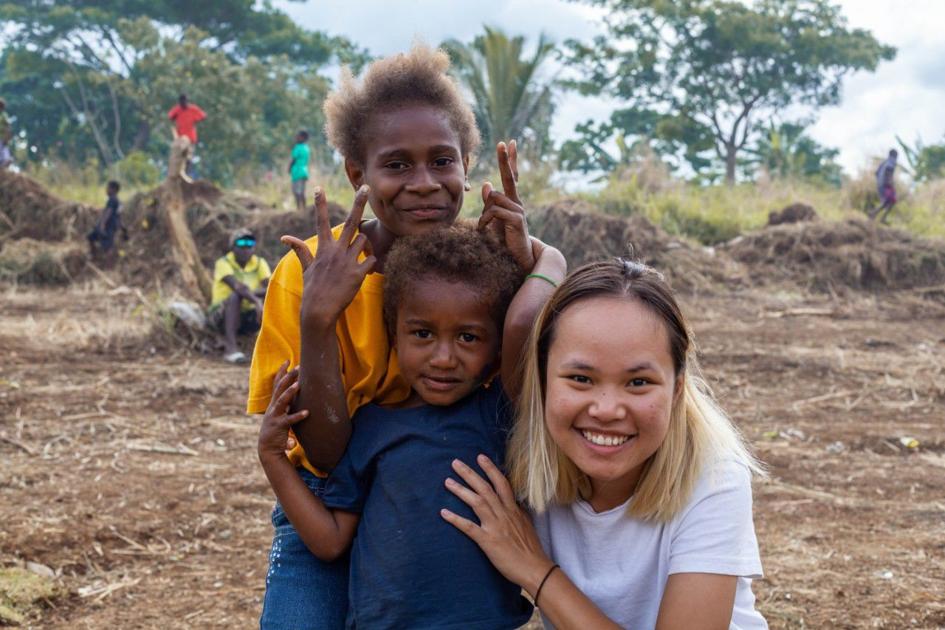
Despite the challenges, there are numerous success stories coming from Vanuatu’s education sector. Schools that have implemented community-based projects often see higher enrollment and better student performance. One such example is a community-driven initiative that revamped a local primary school, where involvement from parents and local leaders resulted in improved facilities and student outcomes.
Conclusion
The education system in Vanuatu is at a critical juncture. With significant challenges still to overcome, the commitment of the government, NGOs, and local communities is crucial. The initiatives in place, along with support from organizations focused on improving education in the Pacific, are paving the way for a brighter future for Vanuatu’s children. By investing in education, Vanuatu is not only equipping its youth with knowledge and skills but also fostering a sense of hope and possibility for generations to come.
 No hay productos en el carrito.